Today, in this era of technological revolution, houses are not just bricks, walls, and roofs—they are being transformed into smart homes. Smart homes are the perfect combination of comfort, technology and sustainability. Pushing these homes of the future forward is one giant force: construction services.
Construction services have long abandoned doing things the traditional way. They now integrate cutting-edge technology, revolutionary materials, and responsible design thinking to construct houses that are not only visually beautiful but also interactive and energy-efficient. As Charles Eames, one of the world’s leading designers and authors, once summarised, “The details are not the details. They make the design.” This is particularly apparent for hi-tech homes, where every single architectural and design choice contributes towards making technology-enabled living a reality.
1. Understanding Smart Home Concept
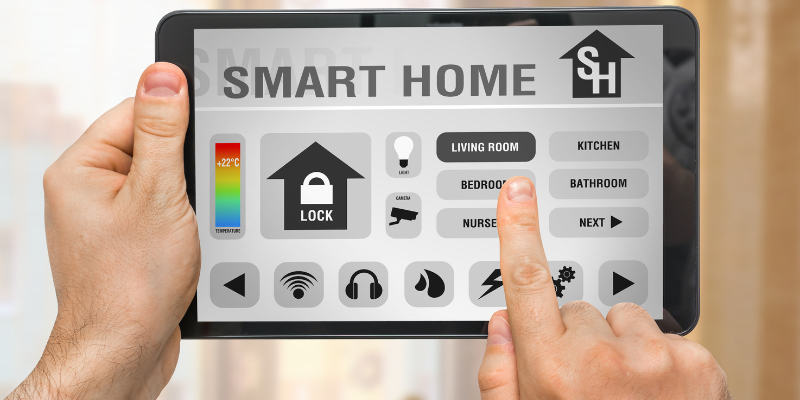
A smart home integrates several technologies to allow for the most convenient, secure, and energy-efficient lifestyle daily. Whether it is lighting and heating or entertainment and security systems, connectivity and automation propel such homes.
It requires far more than just neatly fitting appliances, though, to build a “hi-tech” house. It starts with proper planning and professional building services. Hi-tech systems depend on the quality of a house’s building, wiring, and room plan—duties all within the able hands of skilled builders and contractors.
Home designing and building were not so technology-oriented before. They cannot be divided from one another today. The design of buildings and high-tech technologies must be understood by the builders so that the system and structure go together.
2. The Foundation: Planning and Structural Design
Planning starts even before a single brick is laid, for it is planning that turns ideas about a hi-tech home into reality. Planning services start with sketching the manner in which technology is to become a part of architecture.
A smartly designed one has taken into account the positioning of hi-tech hubs, wire runs, power points, and sensor points. Ceilings may need to be supported for smart panels, or walls planned to cover lighting controls, for example.
Contemporary building teams care as much about green materials—placing green insulation, efficient windows, and intelligent HVAC systems. These materials drive down energy consumption and improve indoor comfort.
“Good buildings are designed by good people, and all problems are solved by good design,” quotes architect Stephen Gardiner. This statement looks back at the fact that building services are at the heart of not just building houses, but of creating spaces that service human demand.
Read: Conveyancing Negligence: What Buyers and Sellers Need to Know
3. Electrical and Networking Infrastructure
The greatest single feature of smart home building in the present day is its electrical and networking system. Modern hi-tech homes need more than ordinary electrical wiring; they need hi-tech circuits that will be able to handle a number of smart devices, automation systems, and backup systems.
An expert construction company hides wiring out of sight, secure, and future-proof for potential expansion. For instance, there are conduits set in place to accommodate further wiring without having to dismantle walls.
Just as critical is wireless and data network architecture. Builders and architects work together with technology designers to position routers, mesh systems, and control systems in a location where they can do the most good. In the ideal case, all the devices—voice assistants, hi-tech thermostats and more—should be working together.
Safety isn’t to be ignored either. Proper grounding, surge protection, and high-quality electrical parts must stop risks and maintain the system’s life expectancy.
4. Smart Energy Management Construction Services
Smart homes are energy management-based homes. Construction services provide homes with energy efficiency without sacrificing comfort.
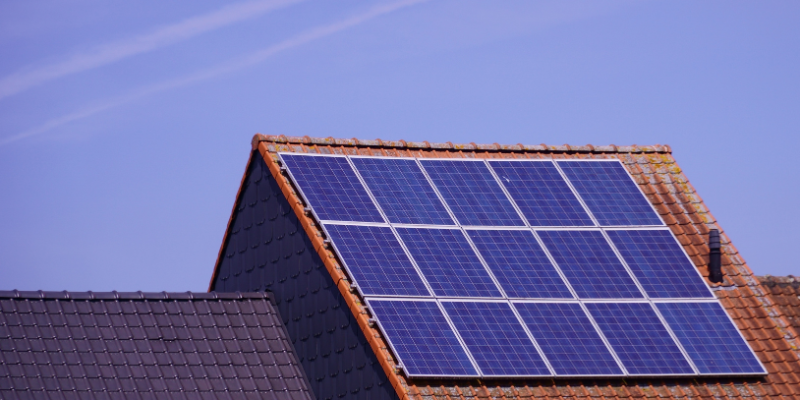
Solar panels, rainwater harvesting, and lighting systems are incorporated by the constructors while building them. If users make use of renewable energy systems at an early stage, then electricity expenses as well as environmental footprint can be minimised.
Smart thermostats, motor window blinds, and motion-sensing lighting need to be carefully positioned, a product of construction precision. Window orientation, for example, determines how much natural light enters the house, with consequences for the manner in which hi-tech lighting systems operate.
Construction facilities also provide houses with adequate insulation so that energy is not wasted. Insulation, ventilation, and smart energy systems together provide a house with the ability to control its energy usage in a hi-tech manner.
As energy consultant Amory Lovins has rightly put it, “Energy efficiency isn’t just a technical fix—it’s a design challenge.” And the designers have risen to that challenge and built houses that are smart and green.
5. Improvements in Safety, Security, and Accessibility
A smart home is not just about convenience alone, but also security and accessibility. Modern building services enable a person to incorporate security devices in a home that will not be obtrusive and will just blend into the home design.
This involves the installation of smart locks, security cameras, and motion sensors in ceilings and walls. Strategic placement makes them hidden but operational in ensuring that the house-beautiful look is sustained.
Ease of use is a second fast-changing field of interest. Construction workers today construct smart homes for all abilities and ages. From voice-controlled lighting for older adults to motion-sensing doors for disabled renters, accessible construction design makes us all champions when it comes to technology.
Fire alarm systems, emergency alert systems, and smoke detectors are incorporated into the construction process to design homes as safe as possible. Thus, building services construct homes that respond not only to the voice instructions of humans but also assist and safeguard their occupants beforehand.
6. Building Teams, Coordination, and Technology Experts
Smart house building is not a solo activity. There are construction experts, architects, electricians, and technology experts who need to collaborate.
The building services handle the physical aspects—walls, floor, electrical plan—while the technology experts handle automation systems, sensors, and interfaces. It is under this collaboration that everything can be compatible and go on well together.
For example, contractors must communicate with automation groups in order to install hubs and conduits before they complete walls. A miscommunication will result in rework or unnecessary design.
It is this that best encapsulates the reality of teamwork in intelligent home construction. When various specialists come together under a single idea, what they produce is an intelligent home that works together in harmony.
Real-world implementation proves this synergy. Apartments in urban areas and luxury residences now boast centralised automation managing lighting, entertainment, and temperature—due to early synergy among technology and building specialists.

7. The Future of Building in Smart Living
Smart houses are expanding with new constructions at a rapid pace. Building firms are reengineering to have AI (Artificial Intelligence), 3D printing, and robotic automation as part of their operations.
Imagine houses constructed with walls that track energy consumption or buildings that self-heal small cracks. That is on the way. Builders are piloting self-healing concrete, factory-produced smart pieces, and data-based design to create more efficient and durable buildings.
Building technology powered by artificial intelligence is assisting constructors in planning how much material they require, saving materials, and monitoring progress in real-time. Such advances in technology make smart home construction affordable and sustainable.
Building services will also get involved and assist in constructing the hi-tech city of tomorrow, where buildings, offices, and infrastructure talk to each other helter-skelter. “Connected living” would not be a high-end luxury anymore; it would be a worldwide standard.
8. Budget and Transparency in Smart Home Projects
With improved standards of living through technology, there has also increased in complexity. Building services have to be within budget. Open budgeting means that homeowners can see where their money is being spent—into smart wiring, sensors, or green materials.
A successful building team provides clients with clear cost estimates, enabling them to make an informed choice based on facts. Money transparency is equal to a clear conscience and fewer conflicts later.
As the saying goes, “Quality is remembered long after the price is forgotten.” Investment in experienced building services and quality materials guarantees long-term value, though the initial investment can be greater.
9. Quality and Safety Standards
No discerning home design is ever finished without due attention to quality and safety. Building professionals work under local building codes and global safety standards to guarantee durability and compliance.
Procedures for quality control, such as structural testing, waterproofing, and electrical testing, are undertaken during the project. Builders also ensure that building materials can coexist with automated equipment and hi-tech devices.
Physical safety is no longer paramount; safety standards now incorporate cybersecurity, too. Save a network as a solid groundwork. Services thus collaborate with IT specialists to protect homes from cyber attacks.
Conclusion
The role of construction services in the new smart home design is monumental and groundbreaking. They are not simply constructors but have turned into innovators, facilitators, and solution finders. Their cognisance is what positions technology and architecture in concord as they strive to create spaces that are efficient, secure, and environmentally friendly.
A smart home starts as a dream, yet to realise the dream requires construction skills. Every wire, every wall, every window exists together to build a life of connectivity that is easier and gentler to the Earth.
As great an architect as Frank Lloyd Wright once said, “The mother art is architecture
. Without an architecture of our own, we have no soul of our own civilisation.” Likewise, without creative construction services, hi-tech homes would be ideas and not living spaces that we have today.
Author’s Bio:
Nicole Kidman is a seasoned author with a keen interest in the construction and real estate industries. She works hand-in-hand with top builders like Brico Construction Company in St Louis, renowned for their great skill and customer-focused principles.