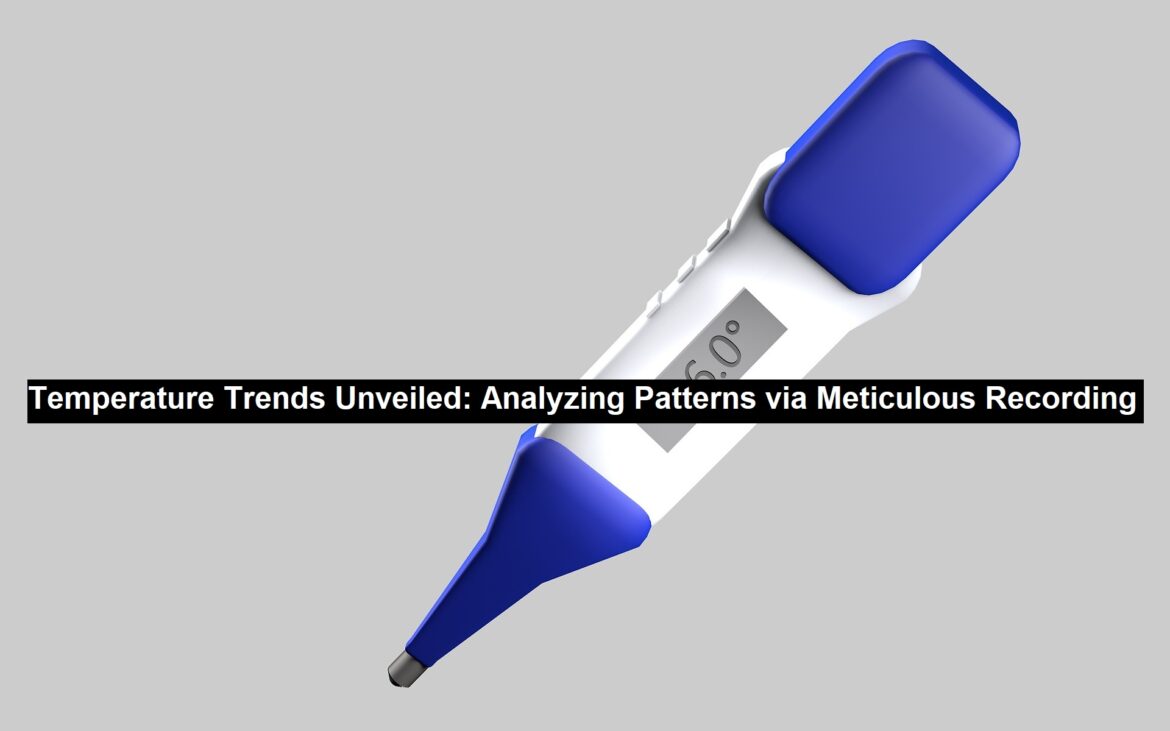
Temperature is one of the most fundamental environmental parameters influencing natural ecosystems, human activities, and technological systems. Understanding temperature trends over time provides critical insights into climate change, weather forecasting, energy consumption, agricultural productivity, and even health outcomes. But how do scientists and analysts uncover these valuable temperature patterns? The answer lies in meticulous temperature recording and the sophisticated analysis of the resulting data.
In this blog, we will explore the importance of temperature recording, the methods used to collect reliable temperature data, how that data is analyzed to reveal meaningful trends, and the implications of these insights in various fields.
The Importance of Temperature Recording
Temperature affects virtually every aspect of life on Earth. From the delicate balance of ecosystems to the functioning of human-built systems, understanding temperature fluctuations and long-term trends is essential. For example:
- Climate Science: Detecting global warming and regional climate variations depends on decades of accurate temperature records.
- Agriculture: Crop growth, pest activity, and irrigation needs are strongly influenced by temperature trends.
- Healthcare: Temperature extremes can increase risks of heatstroke or hypothermia.
- Energy Management: Temperature trends influence heating and cooling demands, affecting energy production and distribution.
Without precise and consistent temperature recording, it would be impossible to make informed decisions or develop effective policies in these critical areas.
Read: Reasons to Love Celine Bags & to Make it your Next Purchase
Methods of Temperature Recording
Accurate temperature recording is a meticulous process requiring well-calibrated instruments, consistent measurement protocols, and reliable data storage. Here are the main methods used to record temperature:
1. Traditional Thermometers
The earliest form of temperature recording involved mercury or alcohol thermometers. These instruments use the physical expansion of liquids to determine temperature, and they need to be read by hand. They established the groundwork for systematic temperature recording despite their simplicity.
2. Digital Thermometers and Sensors
Modern temperature recording increasingly relies on electronic sensors such as thermistors, thermocouples, and resistance temperature detectors (RTDs). These devices convert temperature changes into electrical signals, enabling automated, continuous, and highly accurate temperature measurement.
3. Weather Stations
Temperature and other climatic factors are continuously recorded by automated weather stations across the globe. These stations use sensor arrays and data loggers to store measurements at regular intervals, creating comprehensive datasets for analysis.
4. Satellite Remote Sensing
Satellites equipped with thermal sensors monitor surface temperatures globally, including oceans and remote areas inaccessible to ground stations. Satellite temperature readings offer priceless large-scale temperature records, while being indirect.
5. IoT and Smart Devices
With the rise of the Internet of Things (IoT), many industries and households use smart temperature sensors to monitor environments in real-time. These devices feed data into cloud platforms for instant analysis and historical tracking.
Ensuring Accuracy and Consistency
Meticulous temperature recording demands standardization:
- Calibration: Instruments must be calibrated regularly to avoid drift and ensure readings reflect true temperatures.
- Placement: Sensors should be located away from heat sources or reflective surfaces that can skew measurements.
- Sampling Frequency: Consistent intervals (e.g., hourly or daily) provide reliable temporal resolution.
- Data Validation: Recorded data undergoes quality control checks to identify anomalies or sensor failures.
By adhering to these standards, temperature datasets become robust tools for trend analysis.
Analyzing Temperature Data: Revealing Trends
Once reliable temperature data is collected, the next step is analyzing it to identify patterns and trends. This process involves statistical techniques and visualization tools that transform raw numbers into actionable insights.
1. Descriptive Statistics
Basic statistics such as mean, median, minimum, maximum, and standard deviation provide an overview of temperature characteristics in a given period or location. For example, calculating average monthly temperatures helps identify seasonal patterns.
2. Time Series Analysis
Temperature data is naturally chronological, making time series analysis an ideal method. Analysts look for:
- Trends: Long-term increases or decreases in temperature.
- Seasonality: Regular fluctuations related to seasons.
- Cycles: Multi-year temperature patterns like El Niño.
- Unusual increases or decreases that depart from typical behavior are called anomalies.
Techniques such as moving averages, decomposition, and autoregressive models help quantify these patterns.
3. Visualization
Graphs such as line charts, heatmaps, and scatter plots are powerful ways to communicate temperature trends visually. For instance, plotting average yearly temperature over decades can clearly show warming trends.
4. Correlation and Causation
Advanced analysis explores relationships between temperature and other variables such as humidity, precipitation, crop yields, or energy consumption. This helps identify drivers of temperature changes or consequences of temperature fluctuations.
Applications of Temperature Trend Analysis
Understanding temperature trends through meticulous recording has broad applications:
Climate Change Monitoring
One of the most critical uses of temperature data is tracking climate change. Global temperature records from multiple sources show a clear warming trend over the past century, informing international policy and environmental initiatives.
Agriculture and Food Security
Farmers use temperature trends to adjust planting dates, select crops suited to future climates, and manage pests. Temperature trend data helps optimize agricultural productivity and reduce risks from climate variability.
Public Health
Health agencies monitor temperature trends to anticipate heatwaves or cold snaps, enabling better preparedness and resource allocation. Early warnings based on temperature trends can save lives during extreme weather events.
Industrial and Scientific Research
Temperature recording supports research in fields like material science, manufacturing processes, and environmental studies. In many industries, temperature control and monitoring guarantee quality and safety.
Challenges in Temperature Recording and Analysis
Despite advances, some challenges remain:
- Data Gaps: Incomplete or missing data from remote or under-resourced regions can limit trend accuracy.
- Instrument Variability: Changes in sensor types or locations over time complicate direct comparison.
- Urban Heat Islands: Localized warming in cities may bias temperature trends if not accounted for.
- Data Overload: Large volumes of data require sophisticated tools and expertise to analyze effectively.
Ongoing improvements in sensor technology, data management, and analytical methods continue to address these challenges.
Future of Temperature Recording and Trend Analysis
Emerging technologies promise even more detailed and accessible temperature data:
- AI and Machine Learning: These enable predictive modeling and anomaly detection in temperature datasets.
- Crowdsourced Data: Community-driven sensor networks expand data coverage.
- Integration of Multiple Data Sources: Combining satellite, ground, and IoT data improves accuracy and resolution.
- Real-Time Dashboards: Instant temperature trend visualization supports rapid decision-making.
As temperature recording becomes more precise and widespread, our ability to understand and respond to environmental changes will grow exponentially.
Conclusion
Meticulous temperature recording is the cornerstone of unveiling temperature trends that impact ecosystems, societies, and industries worldwide. Through precise measurement methods, rigorous data validation, and sophisticated analysis, scientists and decision-makers can discern meaningful patterns from vast datasets. These insights drive critical actions in climate policy, agriculture, public health, energy management, and beyond.
As technology advances, the future holds even greater promise for harnessing temperature data to build resilient, informed, and sustainable communities. Whether you’re a researcher, policymaker, or curious learner, understanding the art and science behind Temperature Recording empowers you to appreciate the dynamic world of temperature trends.