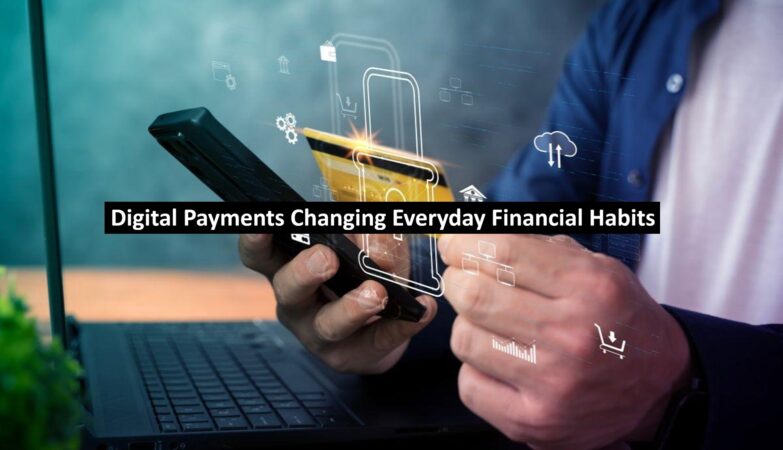
Every day transactions are evolving, and we don’t always use cash for everything, as money transfers, payments, subscriptions and product buying is often available on your smartphone. Things like mobile payment apps paid by digital wallet and contactless cards have now been widely available. Instant Pay has made payments seamless for business as well.
The move away from physical transactions is also influencing the perception and approach towards money, and the concepts of spending, saving, budgeting and money management. It is apparent that the role that digital payments will continue to play is growing due to technological advancements in financial services technology.
Convenience of Cashless Transactions
Digital payments are convenient. People don’t even have to run a bank or make a cash transaction to send money from their phones or computers; it’s so easy because it just taps with one digital device-either on our mobile devices and any enabled computers. It is simple and fast from the convenience of anywhere or from anywhere.
One particular convenience of online payment systems concerns recurring costs like bill and utility payments, insurance bills and premiums, loan expenses as well as the membership to a magazine or perhaps a streaming service. The option to pay immediately can reduce the chance that clients neglect the due date for one associated with bill or costs they may often incur every month.
Read: Understanding Love: Theories and Practices of a Relationship Psychologist
Mobile Wallets
Mobile wallets store digital payments to send using authorized smart phones or mobile devices. Wallets have their own account history where transactions can be viewed and printed if requested.
The simplicity of mobile wallets is what drives many everyday transactions: those where payments can be accepted wirelessly through a tap, swipe or through payment methods involving QR codes are often ideal for them to be employed.
Contactless and Instant Payments
Contactless payment allows shoppers to use their cards or even smart devices (like mobile phones and wearables) to make purchases by simply tapping on a terminal. Contactless transactions help speed up customer service at cashiers and speed up transactions for customers.
The advent of instant payment systems also has changed the expectations for when money transactions should occur. Once, recipients were accustomed to having several business days to receive their funds. Under many instant payment networks, users may now be able to transmit and receive money in just a matter of seconds from one bank to another and so on.
Changing Spending Habits
Even though digital payments can provide added convenience while shopping, they have the potential to alter a person’s view of purchasing. When using cash, there is a more physical representation of money leaving a person’s possession compared to an unseen or “lost” form when paying digitally.
Ease of checkout process If a user does not have the consciousness or the will of actively watching their spends, then smooth checkout may be very useful in enabling impulsive spend of money. If the user sticks to budget and tracks their records on every spend, they might be the masters of money spent.
Better Spending Visibility
Online banking apps keep thorough transaction histories. Many apps also allow users to mark and classify expenses, and then view spending on a monthly basis as well as detect recurring bills.
Knowing where the money is coming and going can facilitate financial planning. It’s easier to plan the monthly budget when we can actually consult and have access to a log of each spending and purchase instead of just memorizing them.
Digital Payments and Budgeting
It has become much easier for many consumers to create a budget as we can use digital banking features that can give us details of account balances and transactions instantaneously. In some apps you can actually set a spending limit or trigger alerts for when the purchases have gone through the system.
These elements can inspire some individuals to take a greater hand in their financial well-being. But ultimately, digital products only work in the long term if their users go back and consult the data regularly while making the necessary changes in their spending behavior.
The Growth of Online Shopping
The proliferation of e-commerce has gone hand in hand with the use of digital payment. Customers often place online orders for items and services with the assistance of credit card, mobile-phone based Wallets (digitized versions of customers’ physical wallets) and direct bank payment, along with various other forms of electronics. Pre-filled payment information allows returning customers to finalize payments more quickly, and while a one-click purchase means fewer steps for a customer to initiate payment, it still means convenience in payments from the perspective of a merchant.
Driven by increased access to the internet, the growth of the e-commerce space is directly helping e-wallets become popular for their convenience and speed at which one can acquire goods and services – be it via credit cards, prepaid cards, banking accounts or bank payment services. It is evident from growing instances of online grocery delivery that consumers are even using digital technologies for their everyday purchase., with India’s online grocery market growth and evolving shopping trends reflecting this broader shift. A saved payment detail can streamline multiple purchases, and a one-click checkout system allows customers to transact more quickly by cutting down steps to a transaction.
Subscription-Based Payments
Digital spending in general has increased as well. Many online services like streaming, software, fitness apps, and others auto-renew at a set frequency.
Automated payments are convenient; just make sure to take the time every once in a while to make a bill account of your unused subscriptions and just cut them out. While little billings appear to go away like, poof, these minor little bills can build really very quickly.
Security and Privacy
Financial cyber security will become more and more important due to the trend of digital payment. It is necessary for consumers to take care of the payment accounts, smartphones, pass codes and other authentication data.
Strong passcodes, multifaceted security authentication, devices equipped with the capacity to fend against compromise, and reliable fee services help deflect the possibility of someone engaging in unwarranted online activities. Be wary of unsolicited emails, chats, the clickable link(s), and donation appeals.
Financial Inclusion
It can also increase financial inclusion In a world with large amounts of populations with lack of access to formal banking systems, a smartphone or a digital platform enables it to access basic financial services such as: cash payments, and money transferring both to and receiving.
Digital inclusion on the other hand, does not only solely depend on the three elements of a digital economy but also depends on availability of Internet services and devices , digital literacy of individuals, and accessible and adequate financial services.
The Future of Digital Payments
As new technology evolves to support more complex and intuitive ways to send money online, it’s possible that we’ll also see greater incorporation into our daily lives with AI, biometric verification, embedded payments, digital wallets, and connected devices facilitating quicker and more customized transactions.
However consumers will also need to weigh convenience against good financial hygiene. Checking your statement and ensuring you know what’s coming out of your account and budgets won’t fade in to insignificance whether payments is by card or from.
Conclusion
The rise of digital payments is transforming how consumers deal with their finances on a day-to-day basis, making them quick, effortless and transparent. Mobile wallet use, contactless card payments, online account access, real-time payments, and set-and-forget recurring plans are all a result of shifting to new digital channels.
But with that convenience comes a higher need for awareness with money. In paying off that credit card or monthly payment using newer tech you should not compromise on tracking those dollars and keeping a close eye on those financial accounts and ensuring they are secure with the appropriate safeguards to keep data locked down.
Author’s Bio:
Lalit is a freelance content writer, blogger, and digital marketer with 6 years of experience. He writes clear, engaging content on india payments market, SEO, technology, business, education, and market trends, making complex topics easy to understand and apply.