
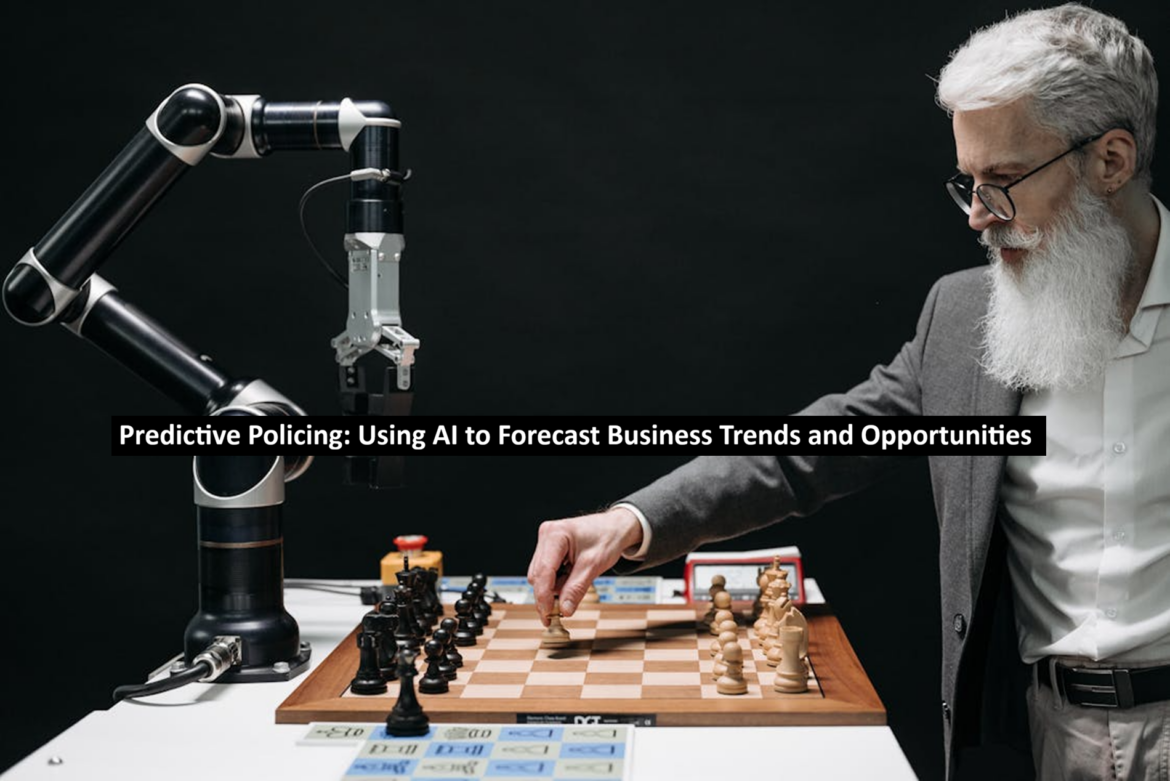
Predictive Policing has long been a tool used by businesses to take smart computer programs and use them to stay ahead in the professional world. Instead of just reacting to problems after they happen, companies use this technology to spot big changes in the market. They can decide where to spend their money and handle tricky financial tasks, such as managing credit hire claims for car accidents.
A company can stop playing catch-up and start looking into the future. It opens the chance to see upcoming opportunities or risks before their competitors do. This helps them move from fixing past mistakes to making smart moves that protect their profits and help them grow, even when the economy is unpredictable.
This guide will explore how businesses can leverage AI in their favour to see business trends that could take the market by storm in the near future, giving them the opportunity for exponential growth. Continue reading to learn more.
How AI Can Predict Trends
Predictive policing relies on reading analytics and patterns, as it helps with understanding that if a specific event happens at a certain time and place, it is likely to recur. In a business context, this translates to market hotspotting, as businesses can get ahead of their competition by finding gaps that weren’t previously visible. There are two main ways that AI can achieve this:
- Pattern Recognition: Just as AI identifies clusters of criminal activity, business AI identifies social sentiment, weather patterns and historical sales data to give those working at a company the knowledge they need to make more informed decisions.
- Resource Deployment: Instead of patrolling a high-risk neighbourhood, a company might look at a high-potential market segment. This shifts marketing spend hours before a trend peaks, so there is less waste.
Read: Conveyancing Negligence: What Buyers and Sellers Need to Know
What Sectors Can Capitalise?
Credit Hire
One of the most potent applications of this technology is in the credit hire and insurance industry. Credit hire claims involving a replacement vehicle being provided to a non-fault driver while their car is being repaired are notoriously complex and prone to things going wrong. AI can use predictive policing to forecast the lifecycle of credit hire claims. It can analyse historical data on repair times, hire rates and litigation trends to streamline the process. This can reduce Days Sales Outstanding (DSO) by anticipating which claims will meet resistance, effectively policing the revenue cycle.
Retail and Inventory Management
Retailers use AI to predict exactly where and when products will be in high demand. This moves a business from guessing what will sell to knowing what to stock, so they can stay ahead of the game and get a better idea if they will become a success. It can help to reduce any waste, as there will be fewer chances of funds being risked. AI can analyse local events, weather and social media trends, to help a retailer predict when it’s the right time to have a product in stock. For example, it will know to stock items like umbrellas before a storm or fans during a heatwave.
The Broken Windows Theory
The Broken Windows Theory suggests that by fixing small problems early, you can prevent much larger crimes from happening. AI brings this same logic to business through anomaly detection, where the software flags tiny irregularities before they turn into expensive disasters. For example, instead of waiting for a high-value client to leave, AI uses recidivism prediction logic to forecast what customers do. This allows teams to save the relationship early and prevent the customer from going to a competitor instead.
Even tactical deployment has a business look at dynamic pricing, where companies automatically adjust their rates based on predicted demand spikes. These small data signals need to be caught early, so businesses can maintain total control over their operations.
Issues with Predictive Policing AI
Business AI usage must be explainable, as there is constant scrutiny over algorithm bias with the technology, especially with AI chatbots. This bias is typically a reflection of existing human and societal prejudices that are embedded in the data, design and deployment of the AI. For example, for credit hire claims, AI could unfairly flag uncertain demographics as high risk for fraud. This can destroy the reputation of a business and leave it in a bad way.
Modern businesses are adopting Human-in-the-Loop (HITL) systems to ensure that while the AI identifies the trend, a human expert makes the final call on sensitive financial or legal actions.
Final Thoughts on Your AI Strategy
Predictive policing is all about preparedness, as you make a plan for your business that can help you succeed in the future. By applying these algorithms, your business can move from asking about the past to thinking about the future. While AI technology is by no means perfect, it will improve drastically over the next few years and could be the thing you need to save your business, whether it be through credit hire claims or inventory management, the list is endless.